Shopify product pages that search engines can actually read
Your own store has no marketplace algorithm to please, which means Google and the answer engines are the whole game. That is a different job to writing for Amazon, and it needs different copy.
Written to rank in Shopify search: keyword-backed titles, every indexed field filled, and checked against Shopify's policies so the listing stays live. Structured for the AI shopping era too - clear facts and Q&A that answer engines can lift. And the keywords are measured, not guessed: live search volumes and rank tracking are built in.
See it work on Shopify
Three steps, and what each one actually produces for a Shopify seller - words, pictures and video.
1
Give it what you have
A listing, a link, a photo, a product name, or the email Shopify just sent you.
2
It writes, draws and checks for Shopify
A Shopify listing and the images to go with it, to Shopify's limits and rules, with measured keywords behind the words - and the same product for the other five when you want them.
3
You publish; it keeps watching
Files, exact fields or one-click fill; then daily rank, price and listing-health watch.
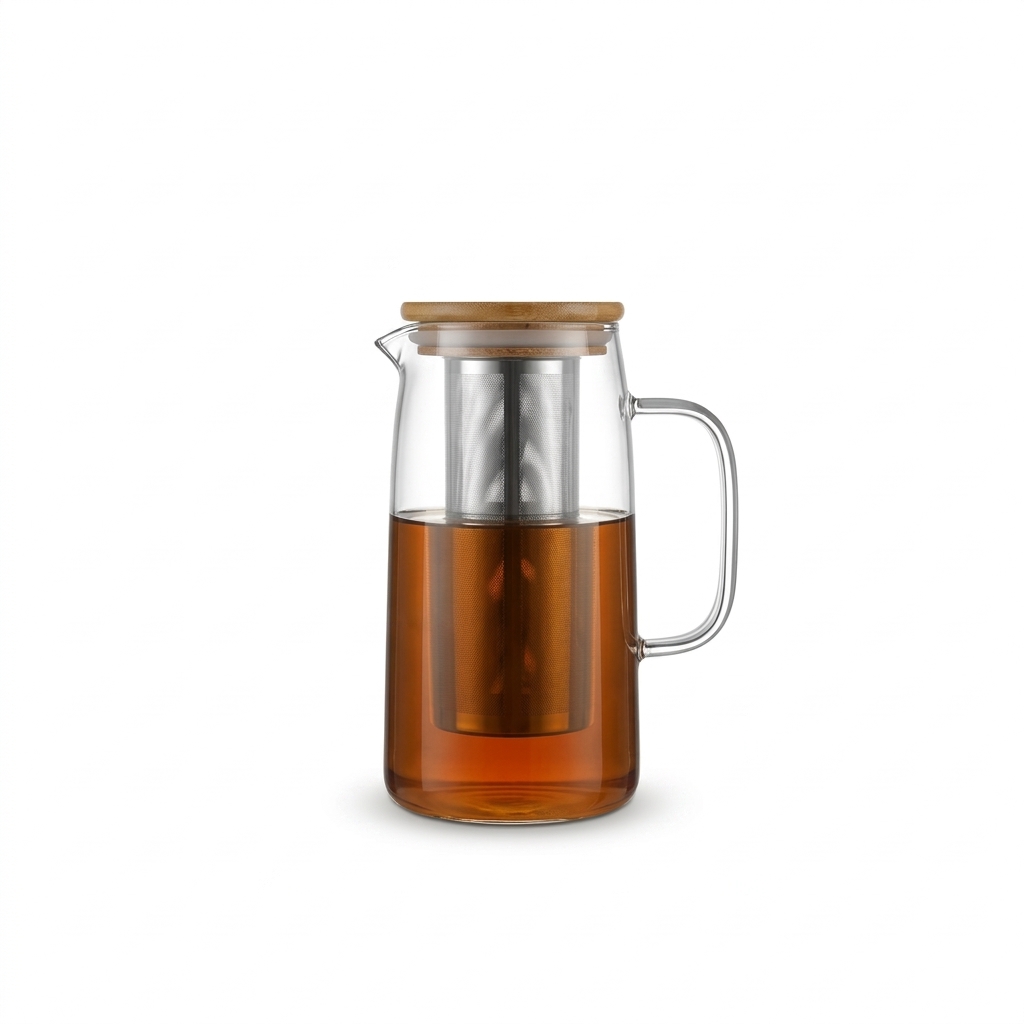
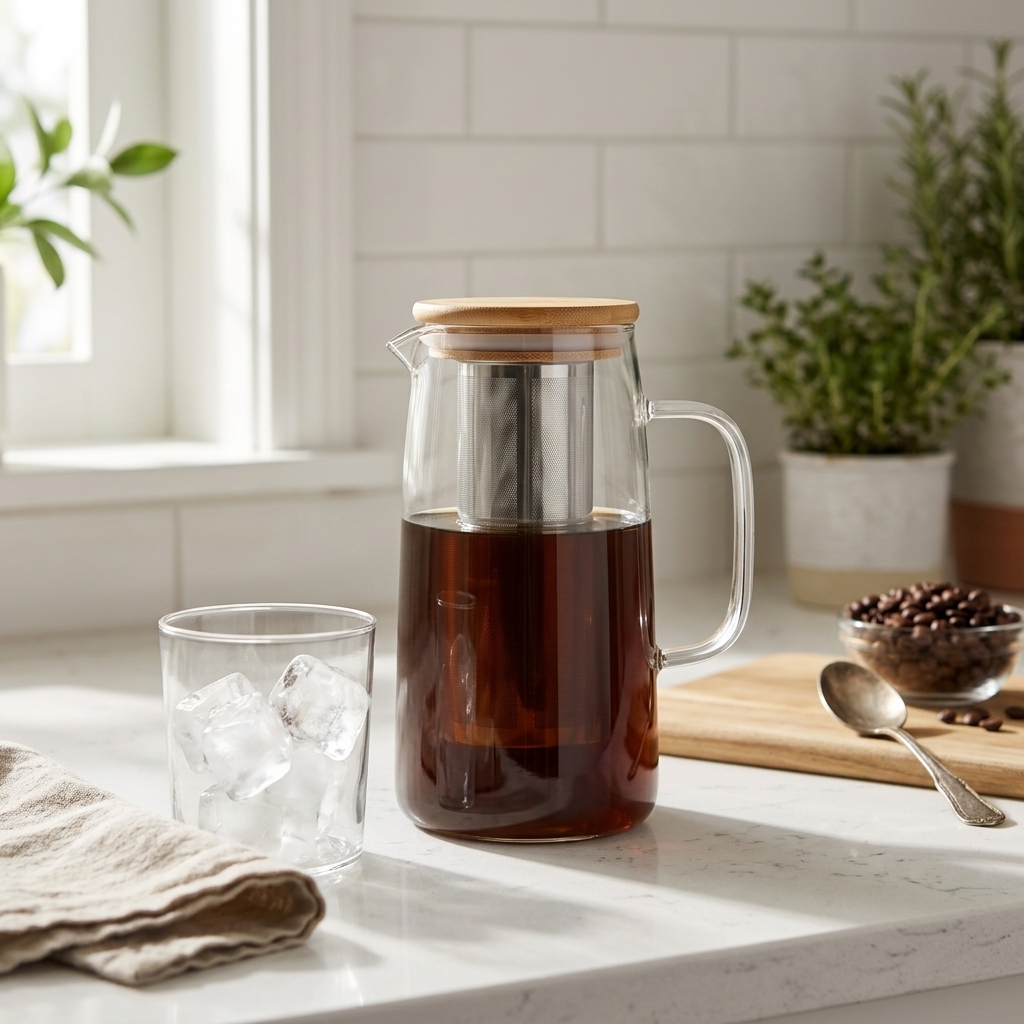
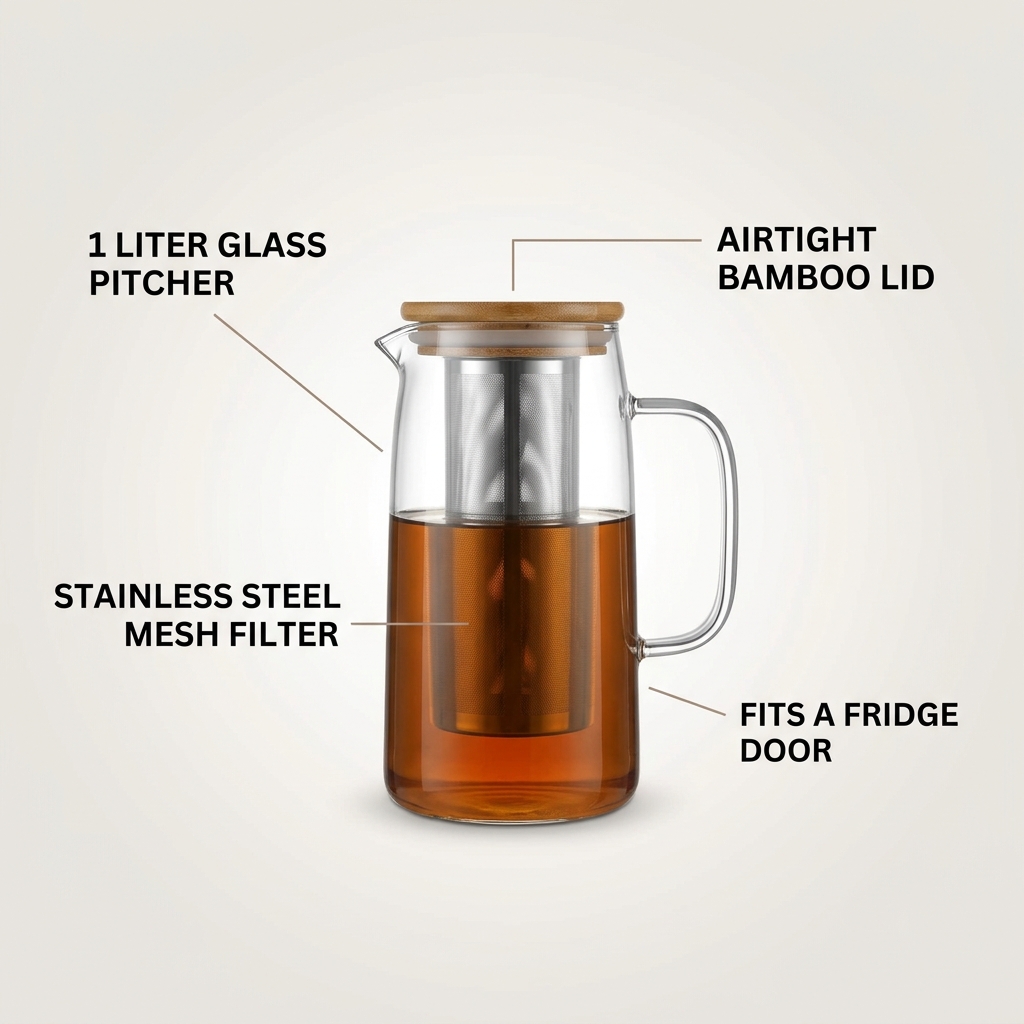
One product, six listingsExample · cold brew coffee maker · pictures made by Optimlister
Why each version differs: every card is written fresh to the rule printed on it - Amazon now uses a 75-character Item name plus 125-character Item Highlights and benefit bullets, Etsy uses buyer-friendly titles and up to 13 tags, eBay uses item specifics, and Walmart uses structured attributes. The meter under each title shows how much of that marketplace's title limit the example uses. Every asset here is a real generator output with its exact cost - see the receipts.
Amazon75-char Item name · 125-char highlights · 5 bullets
Shopify · this page70-char SEO title · tags · alt text
Cold Brew Maker 1 L | Glass Pitcher, Steel Filter
cold brewcoffeepitcherkitchen
TikTok Shop255 chars · attributes · video first
Cold Brew Coffee Maker 1 Liter - Glass Pitcher with Steel Mesh Filter and Bamboo Lid, Overnight in the Fridge and Your Morning Is Already Sorted
Capacity: 1 liter
Filter: Stainless steel mesh
Hook line for the video caption
Same product, six different texts and the right picture for each - white main image where the marketplace demands it, lifestyle where buyers browse by feel, the infographic where video and scroll do the selling. Bars show how much of the title limit is used.
What we write, and to what limit
Every field trimmed to Shopify's own limit, not a generic one.
Product title
for the storefront and the search result
Description
structured, scannable, with the buying question answered
SEO title
70 characters, written separately from the product title
Meta description
160 characters, written to earn the click
Counting characters by hand? The free title and tag checker measures every one of these fields against the Shopify limit. No signup.
What we check before you publish
Shopify rules specifically. This is the part almost nothing else does.
•Duplicate copy across variants, which Google collapses
•Thin descriptions that never answer the buying question
•Claims you cannot substantiate, which is an advertising standards problem, not a marketplace one
•Missing SEO title and meta description, left to auto-generate
What we check, and what we do not. We check your listing text and structure againstShopify's published content rules - the list above. We do not give legal advice, and we do not verify product safety, certifications or regulatory approval - supplements, medical devices, kids' products and other regulated categories still need your own compliance review. No automated check can guarantee a listing never gets flagged; marketplaces change rules without notice. When one slips through anyway, that is what Listing SOS is for.
Already suppressed or rejected on Shopify? Listing SOS works out which rule the listing hit and rewrites it around that rule.
How it gets onto Shopify
Upload file today; one-click fill when the extension clears review
Take a Shopify product CSV today, or let the extension fill the product admin form once it clears review. Nothing in the Chrome Web Store fills the Shopify product form today.
Short answers, in case you are here to settle one thing.
What should a Shopify product description include?
It should answer the buying question, stay scannable, and carry a separately written SEO title and meta description. Your own store has no marketplace algorithm, so Google and the answer engines decide whether the page is found at all.
How long should a Shopify SEO title and meta description be?
Around 70 characters for the SEO title and 160 for the meta description. Optimlister writes both separately from the product title, because the storefront headline and the search result are doing different jobs.
Why do my Shopify variants hurt SEO?
Duplicate copy across variants gets collapsed by Google, so near-identical pages compete with each other instead of ranking. Optimlister flags duplicate and thin descriptions before they go live.
Can Optimlister fill the Shopify product form?
Take a Shopify product CSV today, or let the browser extension fill the product admin form once it clears Chrome Web Store review. No other Chrome extension fills the Shopify product form today.
Coming from, or going to, somewhere else
Your store is usually the source of truth. Push a product from Shopify out to any of the other five, rewritten for each.